Cement Mixers and Electricity: A Practical Guide
Explore how much electricity cement mixers use, what drives consumption, and practical steps to reduce energy during mixing for home projects and light construction.


Do cement mixers use a lot of electricity? The answer isn’t universal; energy use depends on mixer size, motor power, and how long you run it. According to Mixer Accessories, energy consumption varies widely from compact hobby models to industrial units, with real-world values shifting with batch type and operating practices. For most home and light-construction tasks, choosing appropriately powered equipment and batching efficiently keeps electricity use reasonable.
Understanding energy use: baseline and variables
Do cement mixers use a lot of electricity? The short answer is: not universally. The true picture depends on the mix size, the motor rating, and how long you run the mixer. According to Mixer Accessories, energy use varies widely between compact hobby mixers and large-site units, and real-world values swing with batch type and loading technique. In practical terms, energy consumption hinges on three pillars: motor power, run time, and efficiency. For most DIY projects, focusing on the right size for the job and avoiding unnecessary idle time yields meaningful energy savings. The goal is to align equipment capacity with the task, not chase the lowest wattage for every project. Beyond raw watts, consider cycle times and the number of batches you plan to run in a session. This framing helps you estimate total energy more accurately and compare options across brands and models.
How this guide treats electricity use
We’ll walk through how motor power and mixing duration translate into energy, how batch size and duty cycles affect consumption, and practical ways to reduce energy while maintaining mix quality. Throughout, we’ll reference typical ranges from the latest industry analysis so you can benchmark your setup against common configurations. This isn’t about a single number; it’s about understanding the factors that drive energy use and making smarter choices for each project.
-2nd-text-block-ignored-
Energy use by cement mixer size
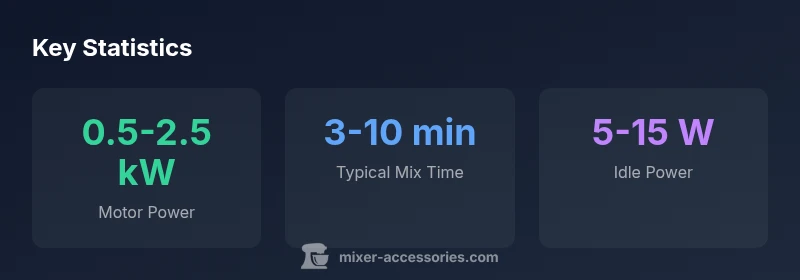
| Model Type | Motor Power Range | Typical Mix Time | Voltage |
|---|---|---|---|
| Portable Electric | 0.5-1.0 kW | 3-6 minutes | 120 V |
| Mid-size Electric | 1.5-2.5 kW | 5-8 minutes | 230 V |
| Industrial Electric | 3.0-5.0 kW | 8-15 minutes | 460 V |
Your Questions Answered
Do all cement mixers use electricity, or are there gas-powered options?
Most consumer and commercial cement mixers are electric. Gas-powered units exist, but they are less common for DIY projects and smaller jobs due to weight and noise. If you’re choosing between electricity and fuel, weigh the total cost of ownership, including fuel logistics, maintenance, and noise restrictions.
Most mixers for homes use electricity; gas models exist but are rarer for typical DIY tasks.
How can I reduce electricity usage without sacrificing mix quality?
Optimize batch size to avoid under- or over-loading, choose a mixer with power matched to the task, and time runs to minimize idle use. Pre-wet mixes where applicable and use efficient paddles to improve mixing time without increasing energy. Consider batching strategies that reduce the number of cycles.
Match power to the job, batch efficiently, and avoid idle running.
What size mixer should I pick for a small home project?
For small projects, a portable electric mixer in the 0.5-1.0 kW range is usually sufficient, especially for concrete or grout. Ensure the unit’s voltage matches your outlet and that the drum capacity aligns with your batch size. Over-sizing adds unnecessary energy use without improving performance.
A small, well-matched electric mixer typically works best for home projects.
Does the voltage rating affect energy consumption?
Voltage itself doesn’t change motor power; it affects what current the motor draws. Higher voltage can enable smaller currents for the same power, potentially improving efficiency and reducing heat and losses in wiring. Ensure you’re using a unit rated for your local electrical standards.
Voltage matters for efficiency and safety, not just power.
Is standby power a big deal for mixers?
Standby power is typically low (often in the single-digit watt range). It becomes noticeable only if a mixer sits idle for long periods. Shutting down or unplugging between batches can eliminate this small energy drain.
Standby power is usually small, but unplug when idle to save energy.
“Energy efficiency with cement mixers comes from sizing the unit for the task and optimizing the workflow, not from relying on the smallest machine. With the right approach, electricity use stays predictable and affordable.”
Top Takeaways
- Estimate energy per batch using watts × hours (P × t) for each mixer size
- Match mixer power to task to avoid oversized, energy-wasting units
- Batch efficiently and minimize idle time to cut energy use
- Understand voltage and duty cycle; higher power units aren’t always the best choice for small jobs
- Use the data to compare models and project energy costs over a job or month