How Much Mixer Per Shot of Vodka: A Practical Guide
Learn practical mixer-to-vodka ratios, tips for classic drinks, batch options, and measurement techniques to nail your vodka cocktails every time. This Mixer Accessories guide covers safe, balanced mixing for home bartenders.


How much mixer per shot of vodka depends on the drink you want. A practical starting point is a 1:1 to 3:1 mixer-to-vodka ratio, with taller drinks pushed toward 4:1. For a standard 1.5-ounce shot, aim about 3–6 ounces of mixer for balance, then tweak to taste. This keeps flavors bright while avoiding a bland, runny drink. Adjust for guest preferences.
Why the mixer ratio matters
The mixer-to-vodka ratio is the primary lever for flavor balance and drink strength. A well-chosen ratio ensures the vodka notes come through without being overpowering, while the mixer provides volume, texture, and sweetness. According to Mixer Accessories, starting with a clear mixer-to-vodka ratio helps you dial in flavor quickly and consistently, which is especially helpful when serving a group. In practical terms, the ratio influences dilution, environmental temperature, and how a drink feels on the palate. Home bartenders who standardize a base ratio can reproduce the same drink across multiple servings, making it easier to scale up for gatherings. Remember that the same vodka can taste very different depending on the mixer chosen, so don’t treat the ratio as a fixed rule—treat it as a starting point you refine over time.
Establishing a starting ratio for vodka cocktails
When you’re learning how much mixer per shot of vodka, begin with a conservative, easy-to-tweak baseline. For lighter, more refreshing drinks, aim toward a 1:1 to 2:1 mixer-to-vodka ratio. For standard cocktails with more mixer and aroma, use a 2:1 to 3:1 range; for long, dilute-style drinks such as highballs, extend toward 3:1 or 4:1. If you’re serving a crowd with varying tastes, start at 2:1 and offer both stronger and lighter options by adjusting individual servings. Mixer choices also affect ratios—tonics add bitterness and fizz that change perceived strength, while juices add body and sweetness that can mask alcohol.
Classic drinks and their typical ratios
Vodka is famously versatile with many mixer pairings. A vodka soda commonly sits around a 1:2 to 1:3 ratio (vodka:carbonation/mixer), producing a crisp, low-syrup drink. Vodka cranberry often sits closer to 1:1 or 1:2, balancing the sweetness of cranberry with the vodka’s bite. A vodka tonic typically lands in the 1:2 to 1:3 range, depending on tonic sweetness and perceived brightness. For batch-friendly recipes like a pitcher of vodka punch, you’ll use a higher-volume mixer-to-vodka ratio (often 3:1 or 4:1) with added citrus and ice for dilution. Remember, these are starting points—taste as you go and adjust.
How to measure and pour accurately
Accurate measurement is the foundation of reliable ratios. Use a dedicated jigger or measuring cup capable of 1 oz and 1.5 oz marks to ensure you start with the correct vodka base. Pour the mixer into the glass first for a predictable dilution pathway, then add vodka. If you’re mixing in a shaker, chill ingredients and add ice to control dilution. For precision, consider a small kitchen scale to verify volume, especially when experimenting with new flavors. Cold ingredients and properly measured pours make a noticeable difference in drink quality.
Adjusting for taste, strength, and occasion
People drink differently, so flexibility matters. For a party with varying preferences, offer a few standard ratios and let guests adjust with additional mixer after tasting. If you’re aiming for a lower-alcohol option, increase the mixer proportion slightly; for stronger, reduce the mixer. Consider the glassware: highball glasses present more dilution visually, while rocks glasses emphasize a stronger sip. When crafting cocktails for a special occasion, factor in the room temperature, ice quality, and the volume of ice in the pitcher or glass, as these elements influence perception.
Tools and techniques for precise mixing
Having the right tools improves consistency. A dedicated bar jigger ensures accurate measurements, while a mixing glass and bar spoon provide steady stirring without over-dilution. For guests who value precision, a digital scale helps replicate exact ratios across batches. Ice quality matters: large, slow-melting cubes reduce rapid dilution and keep drinks balanced longer. If you’re short on equipment, you can still achieve consistent results with careful measurement and tasting after every adjustment. These techniques build confidence when you’re adjusting how much mixer per shot of vodka.
Handling flavored vodkas and mixers
Flavored vodkas change the baseline strength and perceived sweetness, often allowing a lighter mixer-to-vodka ratio. For citrus-flavored vodkas, you may lean toward a higher mixer content to balance tartness. When using sweet mixers like flavored sodas or fruit juices, start with a lower vodka proportion and increase gradually if the flavor feels too strong. If using bitter or botanical mixers, you might want a stronger vodka presence to maintain aroma and balance. In all cases, taste progressively and adjust the ratio to suit the flavor profile.
Safety, storage, and quality tips
Moderation and responsible consumption are essential. Always store vodka upright in a cool, dark place, and refrigerate mixers after opening if required by label. Use clean tools and glasses to avoid cross-contamination of flavors. When mixing for others, note any dietary restrictions or preferences (sweeteners, caffeine, or allergens). If you’re unsure about a mixer, start with a smaller test pour to avoid wasting ingredients. This careful approach ensures you deliver a balanced drink every time and aligns with safe, responsible enjoyment.
Authority sources and practical references
For guidelines on safe and moderate drinking, refer to authoritative sources such as the CDC and NIH. These resources provide context on responsible consumption and general health considerations related to alcohol use. While the specific mixer-to-vodka ratios vary by drink style and personal taste, the underlying principles of measurement, balance, and dilution remain universal.
Authority sources and practical references (continued)
- This article draws on general mixology principles and practical guidance from industry-standard practices to help home bartenders achieve consistent results. See the sources listed below for additional context on moderate drinking and alcohol guidelines.
Tools & Materials
- Jigger or measuring cup(Have 1 oz and 1.5 oz marks for accuracy)
- Tall glass or mixing glass(Used for building drinks and controlling dilution)
- Bar spoon(For stirring with control)
- Ice(Quality cubes; larger cubes reduce rapid dilution)
- Cocktail shaker (optional)(Helpful for certain cocktails or when chilling is desired)
- Digital scale (optional)(Precise ratio verification for experimentation)
- Pitcher or large measuring cup (optional)(For batching drinks in advance)
- Notepad or recipe card(Record your preferred ratios for future use)
Steps
Estimated time: 10-15 minutes
- 1
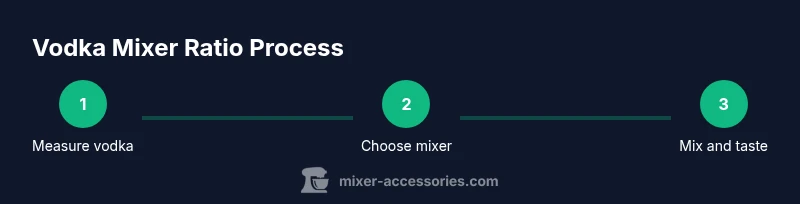
Measure the vodka
Pour the vodka based on your target shot size (commonly 1.5 oz). Use a jigger to ensure accuracy and minimize overpouring, which would affect the final ratio.
Tip: Keep a dedicated shot glass for consistent measurements. - 2
Choose the mixer
Select a mixer that matches the drink style (soda, juice, or flavored mixer). The chosen mixer determines how the vodka’s flavor translates in the final drink.
Tip: Consider using cold mixers to reduce dilution from ice. - 3
Pour the mixer first
Add the mixer to the glass or shaker before the vodka to establish the dilution path and maintain consistency across servings.
Tip: Keep ice ready to control dilution when you add vodka. - 4
Add vodka to the mixer
Pour the measured vodka into the mixer. This step is crucial for achieving the intended ratio and flavor balance.
Tip: Pour slowly to avoid splashing and mismeasurement. - 5
Stir or swirl gently
Stir with a bar spoon or swirl in the shaker to combine liquids evenly without over-diluting.
Tip: Gentle stirring preserves carbonation in soda-based mixes. - 6
Taste and adjust
Take a small sip and adjust the ratio if needed. Add more mixer for a lighter drink or more vodka for a stronger profile.
Tip: Make small adjustments in ½-ounce increments. - 7
Chill and serve
If you’re serving immediately, ensure the drink is well-chilled and visually appealing with ice and garnish.
Tip: Garnishes like citrus peel can elevate aroma and presentation. - 8
Batch for pitchers
When making drinks for a crowd, multiply the ratios consistently and mix in a larger vessel, adjusting for dilution from ice.
Tip: Label batches with date and ratio for repeatability. - 9
Record your preferred ratios
Keep notes on your preferred mixer-to-vodka ratios for different drinks to simplify future prep.
Tip: Use recipe cards or a digital note to save your tweaks.
Your Questions Answered
What is a standard shot size?
A standard shot is commonly 1.5 ounces (44 ml) in many regions, though sizes vary. Use a measuring tool to confirm your preferred amount for precise mixing.
A standard shot is typically 1.5 ounces, but check your local guidelines and measure precisely for best results.
What is the best mixer ratio for a vodka soda?
For vodka soda, start around 1:2 to 1:3 vodka to mixer, then adjust based on taste and desired strength. The fizz and chill of the soda affect perceived strength, so taste and tweak.
For vodka soda, try about two to three parts mixer per part vodka, then adjust to taste.
Should I shake or stir my vodka cocktails?
Stir for most vodka cocktails to preserve clarity and avoid over-dilution. Shake only if the recipe calls for it or if you’re incorporating fruit juices that need emulsification.
Stir, not shake, unless the recipe instructs you to shake for texture or chilling.
Can I mix vodka with juice as a mixer?
Yes. Juices like cranberry or orange provide natural sweetness and body. Start with a balanced ratio (around 1:1 to 2:1) and adjust to taste.
Juice mixers work well; begin with equal parts and adjust to preferred strength.
How do I batch drinks without compromising ratios?
When batching, scale the vodka and mixer proportionally, mix in a larger vessel, and taste before serving individually. Add ice just before serving to control dilution.
Batch in a pitcher with the same ratio and taste before serving each guest.
Is it safe to mix high-alcohol drinks for a party?
Practice moderation and provide non-alcoholic options. Keep servings small and clearly labeled, especially when serving a group with varied preferences.
Moderation and clear labeling help ensure safe and enjoyable drinking for everyone.
What tools improve accuracy when mixing vodka drinks?
A jigger, mixing glass, bar spoon, and clean measuring tools improve accuracy and consistency across drinks.
Use a jigger, mixing glass, and spoon for reliable results.
Watch Video
Top Takeaways
- Start with a balanced mixer-to-vodka ratio and adjust to taste.
- A standard shot is about 1.5 oz; plan 3–6 oz mixer per drink.
- Use accurate measuring tools for consistency across servings.
- Taste, dilute, and modify in small increments for best results.
- Batch drinks carefully, then verify ratios before serving.