How to Get Rid of a Mixer: A Practical Disposal Guide
Learn practical, eco-friendly steps to dispose of a mixer, including recycling, donation, and safe handling for kitchen and audio gear. Get clear, actionable guidance from experts at Mixer Accessories.


Learn how to get rid of a mixer responsibly, whether it's a kitchen appliance or an audio mixer. This guide walks you through unplugging safely, removing removable parts, choosing a recycling or donation path, and documenting your disposal. Follow these steps to protect the environment and stay compliant with local rules.
How to get rid of a mixer responsibly
In today’s waste system, handling large appliances properly reduces landfill impact and supports recycling streams. This guide helps home cooks and audio hobbyists follow best practices when disposing of a mixer. According to Mixer Accessories, choosing the right disposal path starts with understanding your local options and the item’s components. The most common routes are donation, recycling, or curbside disposal if permitted. By planning ahead, you protect the environment, avoid fines, and maybe even help someone else repurpose the device.
Options for disposing of a mixer
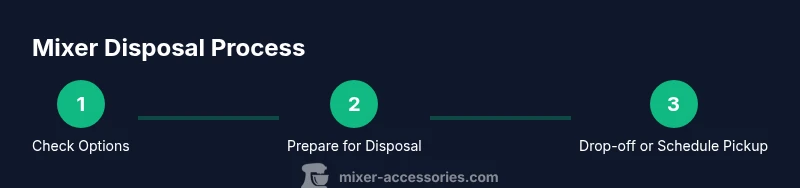
There are three primary routes to consider: donation, recycling, and curbside disposal when allowed by local rules. If the mixer still operates, donating to a charity, community kitchen, or school can extend its life and save resources. Recycling is the preferred option for the metal, plastic, and electronic components found in many mixers; look for certified e-waste recyclers or manufacturer take-back programs. If neither option is available, some municipalities offer scheduled appliance curbside pickup, but you must verify that electronics are accepted in your area. Mixer Accessories’ guidance emphasizes choosing paths that minimize waste and maximize reuse, rather than simply discarding the unit.
How to prepare a mixer for disposal
Preparation is key to safe and compliant disposal. Start by unplugging the mixer from all power sources and wiping away any residue. If your model has detachable blades or attachments, remove them carefully using gloves and place sharp parts in a puncture-resistant container. Keep the main housing intact if your local program requires it, or detach components according to manufacturer guidance. Drain any remaining fluids and clean the exterior to prevent leaks during transport. Packaging the unit securely helps prevent injury and damage during transit.
Finding local programs: drop-offs, pickups, and mail-back
To locate options near you, search for electronics recycling centers, appliance-recycling events, or charity donation centers. Many cities publish a consolidated list of drop-off locations and hours. If you prefer convenience, some programs offer curbside pickup for large appliances, though fees or restrictions may apply. Manufacturer take-back schemes can provide prepaid labeling or supported drop-offs. Always bring proof of address and any required ID when dropping off or scheduling a pickup. This step is where you translate your planning into action, aligning with local regulations and environmental best practices.
Donating or reselling: maximize value and minimize waste
If the mixer still works, consider donating or selling it to reduce waste and extend its life. Check with local charities, makerspaces, or refurbished appliance programs that accept lightly used equipment. For resale, ensure there are no missing parts that would render the unit unusable. Photograph the mixer from multiple angles, note model numbers and any flaws, and provide accurate descriptions. Donating might also help someone else learn, repair, or repurpose the device. Mixer Accessories encourages opting for donation when feasible to keep products out of landfills and into hands that can reuse them.
What to expect after disposal
After you complete the disposal process, you should receive a receipt or proof of recycling from the facility or program. This documentation helps you track environmental impact and can be useful for tax records in some regions. If you donated, you may receive a thank-you note or a donor receipt. If a take-back program was used, you might get instructions about future recycling cycles or battery collection (if applicable). Staying organized makes it easier to confirm compliance with local waste-management rules.
Tools & Materials
- Cordless or electric screwdriver (Phillips #2)(To detach attachments safely if needed)
- Work gloves(Protect hands from sharp blades and metal edges)
- Safety goggles(Eye protection during disassembly or when handling sharp parts)
- Heavy-duty trash bags or a sturdy box(Contain and transport components securely)
- Puncture-resistant container or wrap for blades(Safely store sharp parts during transport)
- Label or pre-paid recycling kit (if provided by program)(Helps ensure correct routing and tracking)
Steps
Estimated time: 60-90 minutes
- 1
Unplug and secure the area
Make sure the mixer is unplugged from all power sources. Move it to a clear, dry workspace and keep children and pets away. This first step prevents shocks or accidental activation during handling.
Tip: Stand on a dry surface and test the plug with a dry hand before touching the unit. - 2
Disconnect detachable components
Remove any attachments or blades with gloves. Place sharp parts in a protective container, and set aside components that may be recycled separately. Do not force parts that resist removal; consult the manual or skip if not designed to detach.
Tip: Use the screwdriver only if there are screws securing parts; otherwise, leave as-is to avoid damage. - 3
Assess disposal options
Check local electronics recycling centers, donor programs, or take-back schemes. If you’re unsure, contact your city’s waste management or search their website for electronics disposal guidelines. Selecting the right path now saves time later.
Tip: Note the address, hours, and any required IDs before you go. - 4
Prepare the mixer for transport
Wipe the exterior and drain any residual liquids. Secure parts with padding or within a container to prevent movement during transport. If you’re using a box, fill gaps with packing material to avoid shifting.
Tip: Wrap blades or sharp parts separately to minimize risk. - 5
Package and label
Bundle all components and label the package clearly as an appliance being recycled or donated. If you have a prepaid label or documentation, attach it securely. Keep a copy for your records.
Tip: Take a photo of the packed unit before you seal it. - 6
Deliver or schedule pickup
Take the mixer to the designated drop-off site or schedule a curbside pickup if offered. Confirm any fees, appointment windows, and required documentation.
Tip: If using curbside service, place the item at the curb where drivers can access it easily. - 7
Obtain confirmation of disposal
Ask for a receipt, certificate of recycling, or a donation acknowledgment. This proof helps you complete records and demonstrates responsible disposal.
Tip: Save digital copies and store them with your household records.
Your Questions Answered
Is it okay to throw a mixer in the regular trash?
Most jurisdictions discourage electronics in regular trash. Use approved recycling centers or donation programs to ensure safe disposal and compliance with local rules.
Electronics usually shouldn’t go in regular trash; check local recycling options instead.
Can I donate a mixer that still works?
Yes. If it works and has most parts, charities, schools, or repair groups may accept it. This extends the device’s life and reduces waste.
If it still works, donating is a great option.
How do I safely remove blades before disposal?
Wear gloves, use a screwdriver if screws secure blades, and store sharp parts in a puncture-resistant container to prevent injuries during transport.
Wear gloves and store sharp parts safely.
What if my mixer uses batteries?
Most mixers are corded. If yours uses batteries, remove and recycle them separately following local guidelines.
Recycle any batteries separately according to local rules.
How can I tell if a mixer is eligible for donation?
Check for essential parts and working condition. Some organizations inspect items before accepting donations.
If it works and has the basics, it may be donated.
Watch Video
Top Takeaways
- Plan disposal using local options before you start.
- Prioritize donation or recycling to minimize waste.
- Secure sharp parts and keep records of disposal.
- Verify receipt or certificate after drop-off.