Fixing a Mixer Shower Valve: A Practical How-To Guide
Learn safe, practical steps to diagnose and repair a mixer shower valve, plus maintenance tips to prevent leaks, ensure consistent temperature, and extend valve life for years of trouble-free showers.


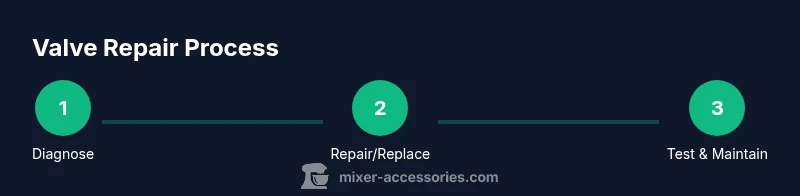
According to Mixer Accessories, fixing a mixer shower valve involves diagnosing whether the issue is a dripping cartridge, uneven temperature, or restricted flow, then safely disassembling, replacing worn seals or the cartridge, and testing for leaks. You’ll need basic plumbing tools, a shut-off valve, and a clear guide to avoid damaging the valve.
How to fix mixer shower valve: Understanding how it works and common failure modes
A mixer shower valve blends hot and cold water through a single cartridge, delivering tempered water to your shower. Over time, the cartridge’s seals wear, mineral buildup accumulates, and the stem can corrode, leading to drips, temperature drift, or reduced flow. The Mixer Accessories team notes that cartridge wear is a frequent cause of leaks, so diagnosing the exact part is the key to a reliable fix. By understanding your valve type—ceramic disc, cartridge, or compression—you can target the right components and avoid unnecessary replacements. This section helps you identify symptoms and map them to likely causes, so you can plan replacements with confidence.
Tools and materials you’ll need
Before you begin, assemble tools and parts so you’re not scrambling in the middle of the job. Essential items include an adjustable wrench, screwdrivers, Hex keys, PTFE tape, a bucket, and safety gear. If you already have a cartridge or O-ring kit compatible with your model, have it on hand. Optional items like penetrating oil and plumber’s grease improve chances of a smooth repair. Keep a photo of the valve model for reference, and work in a dry area to prevent water damage.
Diagnosing the problem: leaks, temperature, and flow
Carefully observe symptoms: is water leaking from the handle or beneath the escutcheon? Does temperature swing between hot and cold, or is there a stubborn cold or hot spot? A slow drip after a fitting or around the trim can indicate worn seals, while uneven mixing often points to a faulty cartridge. Use a clean cup to measure flow from the showerhead with the handle at different positions to gauge consistency. The goal is to determine whether the fix is a simple cartridge swap or a broader valve rebuild. Mixer Accessories analysis shows that the most common fixes involve cartridge wear and seal replacement.
Safe disassembly and part inspection
Shut off both hot and cold water supplies and relieve pressure by opening the shower faucet away from the valve. Remove the handle and trim plate using the appropriate screwdriver and hex key. Gently pull the cartridge or valve stem straight out, keeping track of orientation. Inspect exposed seals, O-rings, and the cartridge for cracks, hardening, or mineral buildup. If parts look worn or stuck, avoid forcing them; apply penetrating oil and revisit after a short dwell.
Replacing parts and applying the right lubricant
Install the replacement cartridge or seals, ensuring an exact match to your valve model. Apply plumber’s grease to O-rings and the cartridge stem to improve seal life and ease future removals. Re-tape threaded connections with PTFE tape and tighten fittings to manufacturer torque guidelines. If you’re unsure about part compatibility, consult the valve’s datasheet or bring a photo to a hardware store. The goal is a snug, leak-free seal that still allows smooth operation.
Reassembly, testing, and long-term maintenance
Reassemble trim pieces in the reverse order of disassembly, taking care to align the handle and escutcheon correctly. Turn the water supply back on slowly to fill the lines and check for leaks at every joint. Run through the full range of handle positions to confirm consistent mixing and temperature control. If leaks persist, recheck O-rings and cartridge seating. For ongoing reliability, schedule periodic checks and clean mineral buildup from the cartridge area to prevent future sticking.
When to call a professional
If the valve is behind tile or behind a wall and you suspect hidden plumbing or structural damage, contact a licensed plumber. Some valve designs require special tools or epoxy procedures that are safer in expert hands. A misstep can lead to water damage or scald hazards, so err on the side of caution when in doubt.
Common mistakes to avoid
- Forcing fittings or over-tightening screws, which can crack plastic trim or strip threads.
- Assuming all mixer valves use the same cartridge; models vary, and wrong parts fail to seal properly.
- Skipping pressure relief steps, which can cause sudden spurts of water when you reopen the line.
- Reusing old O-rings that show signs of wear or cracking; replace for a reliable seal.
- Neglecting to test for leaks after reassembly; always perform a full function test before restoring normal use.
Tools & Materials
- Adjustable wrench(for loosening valve nuts and fittings)
- Flat-head screwdriver(for valve trim screws)
- Phillips screwdriver(for screws on handle/escutcheon)
- Allen/Hex keys set(may be needed for cartridge retaining screws)
- Replacement cartridge or seals kit(obtain a compatible kit for your valve model)
- Plumber's tape (PTFE tape)(wrap threads to seal fittings)
- Bucket or towels(catch water and protect area)
- Penetrating oil(help loosen corroded fittings)
- Silicone plumber's grease(lubricate O-rings and seals)
- Safety glasses(eye protection)
- Flashlight(good lighting in valve area)
Steps
Estimated time: 45-60 minutes
- 1
Shut off water and relieve pressure
Turn off the home water supply and run cold water from the shower to relieve pressure. Open the nearest faucet to bleed the line and prevent splashes when you open the valve.
Tip: Have towels ready and verify both hot and cold are fully off. - 2
Expose the valve trim
Remove the escutcheon plate and handle using the appropriate screwdriver or hex key. Keep track of screws and note handle orientation for reassembly.
Tip: Take a quick photo of how the trim sits before removing parts. - 3
Access the cartridge/valve body
Carefully remove any decorative caps or retaining nuts to reveal the cartridge or stem. Gently extract the cartridge, keeping it level to avoid damaging seals.
Tip: If it’s stubborn, apply a small amount of penetrating oil and wait a few minutes. - 4
Inspect the parts
Check the cartridge, O-rings, and seals for wear, cracking, or mineral buildup. Clean debris with a soft brush and replace any worn components.
Tip: Don't reuse damaged seals—even if they look OK. - 5
Install replacement parts
Insert the new cartridge or seals, lining up notches and orientation marks. Reinstall any retaining clips or nuts securely.
Tip: Lubricate O-rings with silicone grease for longer life. - 6
Reassemble the trim
Place the escutcheon and handle back on, ensuring it sits flush and aligns with the valve stem. Tighten screws without over-torquing.
Tip: Check handle alignment before final tightening. - 7
Restore water and test
Turn the water back on slowly and run the shower across full range. Look for leaks and verify consistent temperature control.
Tip: Run at least 1-2 minutes and check all joints for leaks. - 8
Maintenance for the future
Clean mineral buildup around the cartridge area and schedule periodic checks. Keep spare seals handy for quick future repairs.
Tip: Document the model and parts used for easy future repairs.
Your Questions Answered
What is a mixer shower valve and how does it work?
A mixer shower valve blends hot and cold water via a single cartridge to deliver tempered water. A worn cartridge or seals can cause leaks or temperature drift.
A mixer valve blends hot and cold water with one cartridge. Leaks or temperature drift? Replacing the cartridge or seals fixes it.
What safety steps should I take before starting?
Turn off the home water supply and relieve pressure by opening a faucet. Use safety glasses and have a bucket handy. If unsure, pause and consult a professional.
Turn off water and relieve pressure. Wear safety glasses and have a bucket handy.
Do I need a professional or can I do it myself?
Many fixes can be done by a confident DIYer with basic tools, but some valve types behind walls require special cartridges. If you encounter stubborn corrosion, call a plumber.
If you’re comfortable with basic plumbing, you can try. For hidden valves, hire a pro.
How do I choose the right cartridge replacement?
Identify the exact model and valve type, then buy a compatible cartridge or kit. Bring measurements or photos to a hardware store or check the manufacturer’s datasheet.
Know your model, bring photos, buy compatible cartridge.
How long does a typical fix take?
Most valve repairs take 30-90 minutes depending on access and parts. Simple cartridge swaps are quicker; behind-wall work can take longer.
Expect 30-90 minutes depending on access and parts.
Top Takeaways
- Identify your valve model before buying parts.
- Shut off water and relieve pressure first.
- Replace worn cartridges or seals to stop leaks.
- Reassemble carefully and test for leaks.
- The Mixer Accessories team recommends periodic maintenance to extend valve life.