How to Clean Mixer Tap Filter: A Practical Guide
Learn how to clean your mixer tap filter safely with a step-by-step approach, pro tips, and maintenance tricks for optimal water flow and faucet longevity.


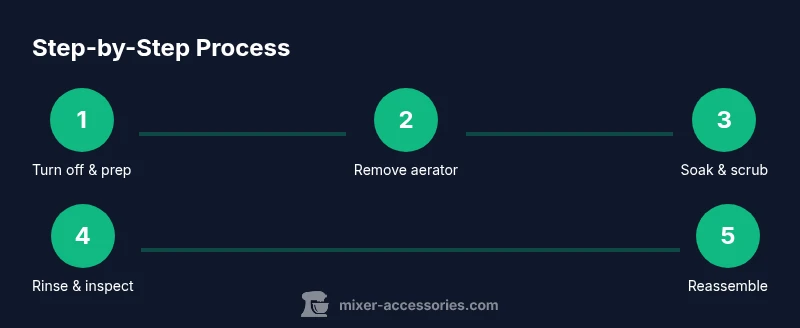
To improve water flow and prevent mineral buildup, follow this practical guide on how to clean mixer tap filter. You'll remove the aerator, soak debris in a vinegar solution, scrub gently, rinse, and reassemble. With basic tools and 20-40 minutes, you can restore a clear, steady stream. This approach works for most domestic taps and can be completed with common household cleaners.
Why clean mixer tap filter matters
A clean mixer tap filter is a small but mighty ally in keeping your water flow steady and your faucet performing at its best. According to Mixer Accessories, regular maintenance of your mixer tap filter helps prevent mineral buildup and ensures smooth water flow. Over time, mineral deposits, lime scale, sand, and rust particles can accumulate on the screen and in the aerator, narrowing the orifice and causing sputtering or reduced pressure. Regular cleaning removes these blockages and extends the life of your tap, fittings, and seals. For home cooks, bar enthusiasts, and audio hobbyists who rely on precise water control for coffee, cocktails, and gear cleaning, a clean filter matters. A few minutes of routine care can prevent leaks, improve taste, and reduce cartridge wear in some models. In this article, you’ll learn how to identify buildup, choose safe cleaners, and perform a safe, effective cleaning that preserves finishes and avoids damage. The Mixer Accessories team emphasizes that maintenance is a simple, low-cost way to keep taps performing well.
How the mixer tap filter works
Most kitchen taps use a small aerator assembly at the end of the spout. The filter screen catches sediment and micro-debris before water exits the faucet. The aerator also creates the characteristic spray by mixing air with water. Over time, mineral deposits bind to the screen and the inner nooks, reducing flow and causing uneven spray. The filter’s job is to protect downstream components, but it relies on clear pathways. Understanding this helps you clean the right parts without disturbing fittings, seals, or the decorative finish. When you inspect the aerator, you’ll typically see a perforated disk, a screen, and sometimes a flow-straightener disk. If your tap is a high-arc or pull-out design, there may be additional components; the basic principle remains the same: remove, clean, rinse, and reassemble to restore function.
Signs your mixer tap filter needs cleaning
Slow or sputtering water, irregular spray patterns, or a sudden drop in water pressure are common indicators of a clogged filter. A stubborn mineral crust around the aerator or visible scale on the screen also signals that buildup is present. If you notice these symptoms, start with a gentle inspection rather than invasive disassembly. Regular checks help you catch buildup early, preserving seal integrity and avoiding leaks. In many homes, these issues arise with hard water or after using water filters that introduce particulate matter into the line. If you maintain your tap filter, you’ll enjoy a steadier pour for coffee, cocktails, and dishwashing.
Safety first: before you start
Before you touch the faucet, turn off the water supply to minimize splashes and spills. Place a towel or small tray under the sink to catch drips. If your aerator is stubborn, protect the faucet finish with a cloth and work slowly. White vinegar is a safe, effective cleaner for mineral deposits, but avoid mixing cleaners with bleach, ammonia, or other harsh chemicals. If you’re unsure about the material of your tap, test a small patch in an inconspicuous area first. Wearing gloves helps protect your skin from cleaners and sharp edges inside the aerator housing. Remember: this is a routine maintenance task, not a repair, so proceed calmly and avoid forcing components.
Quick pre-clean inspection you can do
Start with a visual check: look for a crusty ring around the aerator and a change in the water’s spray pattern. If you can remove the aerator, do so gently with a soft cloth to avoid scratching the finish. Inspect the screen for visible debris, scale, or fibers. If the aerator is blocked but not seized, you’re ready to proceed with cleaning. If you see corrosion or damaged threads, note it for replacement rather than forceful cleaning. A pre-clean inspection saves you from unnecessary disassembly and helps you plan which cleaning method to use.
Cleaning methods: gentle soak vs. direct scrubbing
There are two common methods. Soaking the aerator in a vinegar solution (1:1 water-to-vinegar) for 15–30 minutes helps dissolve mineral deposits without harsh scrubbing. For stubborn buildup, use a soft-bristle brush to loosen deposits while you hold the aerator under warm water. Citric acid can also be effective; dissolve a small amount in warm water and soak briefly. After soaking, rinse the components under running water and brush again if needed. Reassemble only when all parts are dry. If the aerator is damaged, replace it rather than attempting to scrub the seal or housing. Protect the faucet finish by placing a towel or cloth under the components during cleaning.
Reassembling and flushing the filter
Reattach the aerator assembly in the reverse order you removed it, taking care to align threads correctly to avoid cross-threading. Run cold water for 20–30 seconds to flush out any remaining debris and to test the spray pattern. If the flow is weak, remove and inspect again for missed debris. A final wipe with a microfiber cloth helps restore the faucet’s shine. For pull-out or flexible designs, ensure the hose is seated correctly and test both the spray and the pause function.
Maintenance tips to prevent future buildup
Consider a monthly quick wipe-down of the aerator exterior with a damp cloth to prevent crusty rings. If you have hard water, install a simple inline filter or use distilled water for sensitive devices near the sink. Regularly inspecting the aerator will catch buildup early, saving you time later. When replacing parts, choose genuine fittings or compatible replacements from reputable brands. Storing a small bottle of vinegar for monthly maintenance keeps cleaning supplies handy.
Troubleshooting: what to do if flow remains slow after cleaning
If cleaning doesn’t restore flow, re-check for cross-threading, damaged seals, or a worn O-ring. A persistent slow stream might indicate a failing aerator or supply line issue, which could require replacement parts or professional service. If the valve or supply line is clogged, you may need to contact a professional plumber. Always test with cold water first to avoid scalding.
Tools & Materials
- Nitrile gloves(Protect hands from cleaners and sharp edges inside the aerator housing)
- White vinegar or citric acid cleaner(1:1 dilution with water is common for vinegar; follow label for citric acid)
- Soft-bristle brush or old toothbrush(Non-metallic, gentle on finishes and screens)
- Microfiber cloth(Used for drying, polishing, and protecting surfaces)
- Small basin or bowl(For soaking the aerator components)
- Towel or cloth to protect finish(Place under the faucet to catch drips)
Steps
Estimated time: 25-40 minutes
- 1
Turn off water and prep area
Shut off the faucet supply and place a tray or towel under the sink to catch any drips. This prevents mess and protects finishes. Gather your tools so you can work smoothly without interruptions.
Tip: Have a clear workspace and protect the faucet finish with a cloth. - 2
Remove the aerator safely
Grip the aerator housing gently and unscrew counterclockwise. If it’s snug, use a cloth for grip and avoid metal-on-metal twisting to prevent scratches.
Tip: Take a quick photo before removal to aid reassembly. - 3
Inspect the screen and debris
Look for visible debris, mineral crust, or fibers on the screen. Do not force a stuck part; if it resists, stop and reassess. A clean screen restores flow most times.
Tip: Note where each part sits to simplify reassembly. - 4
Soak in cleaning solution
Place the aerator parts in a bowl of diluted vinegar for 15–30 minutes. This helps dissolve mineral deposits without harsh scrubbing. If using citric acid, follow package directions.
Tip: Use a sealed bag or small bowl to contain the soak and prevent spills. - 5
Gently scrub and rinse
After soaking, scrub with a soft brush, rinse under warm water, and repeat if necessary. Dry all parts completely before reassembly to avoid trapping moisture.
Tip: Avoid abrasive tools that could scratch the metal or chrome finish. - 6
Check threads and seals
Inspect threads for wear and check seals or gaskets for damage. Replace any worn parts rather than forcing a seal to fit, which can cause leaks.
Tip: If a seal looks worn, plan for a replacement part. - 7
Reassemble and flush
Screw the aerator back on, hand-tighten, then run cold water for 20–30 seconds to flush debris. Test spray and adjust as needed for a steady stream.
Tip: Avoid overtightening to prevent thread damage.
Your Questions Answered
What is a mixer tap filter, and why does it clog?
A mixer tap filter is the tiny screen and screen assembly at the end of the faucet that traps sediment. It clogs due to mineral buildup and debris, which reduces flow and alters spray. Regular cleaning keeps it functioning well without replacing major components.
A mixer tap filter is the small screen at the faucet tip that traps debris. It can clog from mineral buildup, which you can fix with a quick clean.
Can I use vinegar to clean the filter?
Yes, white vinegar is effective for mineral deposits on the aerator. Soak the parts in a vinegar solution, then scrub gently and rinse well. Avoid mixing vinegar with bleach or ammonia.
Yes, vinegar works well for mineral buildup—soak and scrub, then rinse. Do not mix it with bleach.
How often should I clean the mixer tap filter?
For homes with hard water, consider cleaning every 3–6 months, or sooner if you notice reduced flow. In softer water areas, 6–12 months may be sufficient. Adjust based on usage and water quality.
Clean every few months if you have hard water, otherwise a couple times a year should be fine. Watch for flow changes.
What if the aerator won’t come off?
If the aerator is stuck, protect the finish with a cloth and apply steady, gentle pressure. Avoid pliers directly on metal to prevent damage. If it remains stuck, consider professional help to avoid thread damage.
If it’s stuck, protect the finish and try gentle twisting. If it won’t budge, get help to avoid damage.
Should I replace the filter after cleaning?
Replace the aerator if you see damage, corrosion, or persistent clogging after cleaning. If it’s clean and still functions well, cleaning is typically enough for normal wear.
Replace only if damaged or still clogged after cleaning; otherwise cleaning is usually enough.
Is it safe to mix vinegar with bleach?
No. Mixing vinegar with bleach can release harmful gases. Use one cleaner at a time and rinse thoroughly between steps.
Don’t mix vinegar and bleach—dangerous fumes can form. Use cleaners separately and rinse well.
Watch Video
Top Takeaways
- Inspect aerator regularly for buildup.
- Soak deposits with vinegar or citric acid to dissolve scale.
- Rinse thoroughly and reassemble carefully.
- Replace worn parts instead of forcing tight seals.