How to Clean the Mixer Jar Bottom: A Practical Guide
Learn the safest, most effective method to clean the mixer jar bottom with simple steps, gentle cleaners, and pro tips from Mixer Accessories. Designed for home cooks, bar enthusiasts, and audio hobbyists seeking reliable maintenance guidance.


According to Mixer Accessories, you can clean the mixer jar bottom effectively by detaching the jar, soaking it in a mild cleaning solution, and scrubbing with a bottle brush. Start with warm water and dish soap, then address stubborn residue with vinegar or a baking soda paste. Rinse thoroughly and air-dry before reassembling.
Why Cleaning the Mixer Jar Bottom Matters
According to Mixer Accessories, regular cleaning of the mixer jar bottom is essential for consistent blending and safe operation. Over time, dairy fats, fruit sugars, and coffee oils can form a thin film that alters flavor and can affect how the blades move. A clean bottom reduces the risk of odors migrating into future batches and helps protect gaskets and seals from buildup. In practical terms, a well-cleaned jar bottom means smoother smoothies, cleaner batter, and less cross-contamination between ingredients. For home cooks, bar enthusiasts, and audio hobbyists who rely on their mixer for multiple tasks, a quick, reliable cleaning routine keeps equipment performing at its best and extends the life of the jar. This section lays the groundwork by explaining what you’re removing, why it sticks, and how to approach the task without damaging the jar or the mixer itself.
Common Residues Found at the Jar Bottom
The bottom of a mixer jar often collects residual oils, sugars, and dairy proteins that cling to the curved surfaces and crevices. When you blend fruit, dairy, or sweet syrups, a thin sticky film can form even after rinsing. In hard-water areas, mineral deposits can compound buildup, making scrubbing harder over time. The result is not only less pleasant flavors but also a higher chance of odor development if the jar sits damp. Understanding what tends to accumulate helps you tailor your cleaning approach and choose the right tools and solutions for effective removal.
Safe Cleaning Agents for the Jar Bottom
For most jar bottoms, a basic cleaning routine using warm water and a mild dish soap is sufficient. If you encounter stubborn residues, white vinegar diluted with water works well as a gentle descaler. Baking soda forms a mild abrasive paste that can break up films without scratching plastics or glass. Avoid harsh bleach or abrasive scouring pads that can damage coatings or seals. If your jar is dishwasher-safe, consult the manufacturer before washing the bottom area to preserve any decorative coatings or gaskets. The key is to use agents that are effective yet gentle on the jar material.
How to Prepare Your Workspace and Tools
Before you begin, unplug the mixer and detach the jar following the manufacturer’s instructions. Empty the jar and rinse out any loose contents. Prepare a cleaning station with warm water, dish soap, vinegar, baking soda, a bottle brush, a soft sponge, and a microfiber cloth. Lay a towel or drying rack nearby. Having everything within reach reduces the chance of leaving residue behind and helps keep the motor base dry and safe throughout the process.
Step-by-Step Overview: What to Do First
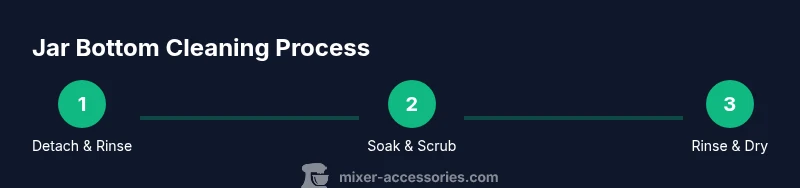
A logical cleaning flow starts with a gentle rinse, then an initial soak to loosen dried matter, followed by targeted scrubbing of the jar bottom, and finishing with a thorough rinse and dry. This overview sets up the hands-on steps you’ll perform in detail later. The goal is to remove gritty particles from corners and the bottom curve while protecting seals and coatings. If you’re using vinegar or baking soda, you’ll want to allocate a few minutes for soaking and paste-application to maximize effectiveness without harsh scrubbing.
Deep Cleaning Techniques for Stubborn Bottom Residue
Stubborn residues often cling to the jar bottom in hard-to-reach areas. A baking soda paste applied to the bottom and left to sit for several minutes can soften the film before a gentle scrub with a bottle brush. For mineral-like buildup from hard water, a diluted vinegar soak can help break it up without damaging the jar material. If you notice a persistent odor, a quick rinse with a mild detergent followed by a final vinegar rinse can neutralize lingering smells. Always finish with a thorough rinse to remove any cleaning residues.
Finishing Touches: Rinsing, Drying, and Reassembly
Rinse the jar thoroughly with clean, warm water to ensure no soapy or vinegary taste remains. Wipe the exterior and interior surfaces with a microfiber cloth, then air-dry completely before reattaching the jar to the mixer base. Drying is essential to prevent mold or odor development during storage. Once dry, reassemble the jar, perform a quick test run with plain water to verify cleanliness, and store in a dry place. Regular, gentle cleaning keeps flavors consistent and extends jar life.
Tools & Materials
- Warm water(Comfortably warm, not boiling; for initial rinse)
- Mild dish soap(Non-abrasive; avoids residue buildup)
- White vinegar (5%)(For a gentle descaling and deodorizing rinse)
- Baking soda(For paste cleaning on stubborn spots)
- Bottle brush(Soft bristles; 1–2 inch bore for jar bottom)
- Soft sponge or microfiber cloth(For wiping interior surfaces and exterior)
- Toothbrush or small cleaning brush(Target crevices and tight corners)
- Drying rack or clean towel(Air-dry jar fully before reassembly)
- Safety gloves(Optional; protects hands during scrubbing)
Steps
Estimated time: 20-30 minutes
- 1
Detach and inspect
Unclip or unscrew the jar from the mixer body and inspect the bottom for visible residue. This initial check helps you plan the following steps and protects the motor base from splashes.
Tip: Handle the jar firmly; keep the gasket aligned to avoid leaks. - 2
Rinse with warm water
Rinse the jar under warm tap water to loosen loose particles. This minimizes the amount of grime you’ll scrub away and prepares the surface for treatment.
Tip: Avoid hot water if your jar is plastic to prevent warping. - 3
Soak in cleaning solution
Fill the jar with a mixture of warm water and a few drops of dish soap or vinegar as a soaking solution. Let it sit for several minutes to loosen dried films.
Tip: For hard-water buildup, a vinegar soak works well without harsh chemicals. - 4
Scrub bottom and crevices
Use the bottle brush to scrub the bottom and any crevices. Apply gentle pressure and use circular motions to lift residue without scratching the surface.
Tip: Focus on the curved bottom where residue tends to accumulate. - 5
Apply baking soda paste for stubborn spots
Mix baking soda with a little water to form a paste. Apply to stubborn spots on the bottom, let sit briefly, then scrub gently.
Tip: Avoid leaving paste on plastic coatings for too long. - 6
Rinse thoroughly
Rinse the jar again with clean water until all soap and paste residues are gone. A clean rinse prevents any aftertaste in future blends.
Tip: Run a final rinse with plain water to ensure no cleaner remains. - 7
Dry and reassemble
Dry the jar completely with a microfiber cloth or allow it to air-dry on a rack. Reattach the jar to the mixer once completely dry and test with plain water.
Tip: Ensure all components are dry before reassembly to prevent moisture from entering seals.
Your Questions Answered
Can I put the mixer jar bottom in the dishwasher?
Most mixer jars should not be cleaned in the dishwasher, especially the bottom area where gaskets and coatings may be sensitive. Hand washing is typically safer for the jar bottom to protect materials and seals.
Most jars aren’t dishwasher safe, particularly the bottom area. Hand washing is safer for preserving coatings and seals.
What should I do about stubborn dried residue on the jar bottom?
Soak the jar, then scrub with a bottle brush using a baking soda paste if needed. Avoid harsh abrasives that could scratch the surface.
Soak, then scrub with a bottle brush and baking soda paste if needed. Avoid harsh abrasives.
Is it safe to use vinegar for cleaning?
Yes, in a diluted solution (water and vinegar). Rinse the jar thoroughly afterward to prevent any lingering taste.
Vinegar is safe when diluted; rinse well afterward.
How often should I clean the mixer jar bottom?
Clean after each use if you work with dairy, sugar, or sticky ingredients; otherwise, a weekly quick clean keeps buildup in check.
Clean after each sticky or dairy-based use; weekly maintenance is good too.
Can I use lemon juice or essential oils for fragrance?
Lemon juice can help deodorize, but it may affect color on some plastics. Essential oils are generally not recommended due to potential residue.
Lemon can deodorize but may affect color; avoid essential oils.
What if the jar bottom has a crack or damage?
Discontinue use of the jar and contact the manufacturer for a replacement. A damaged jar can leak and compromise safety.
Don’t use a cracked jar; replace it and seek manufacturer guidance.
Watch Video
Top Takeaways
- Detach jar and inspect before cleaning
- Use mild cleaners to protect materials
- Rinse thoroughly to remove residues
- Dry completely to prevent odors
- Regular maintenance saves effort