What Mixer Hides the Taste of Vodka: A Practical Guide
Learn how to mask vodka flavor with practical mixers, balancing sweetness, acidity, and texture. A home-friendly, step-by-step guide with experiments, recipes, and safety tips from Mixer Accessories.


You will learn which mixer best hides vodka flavor, plus practical steps to test and balance sweetness, acidity, and texture. Start with a base mixer profile (sweet, sour, creamy, or carbonated), then combine with vodka in small batches, and adjust sugar and acidity to taste. Follow a guided tasting protocol for reliable results.
Understanding vodka masking: how mixers influence flavor
If you are exploring what mixer hides the taste of vodka, the answer hinges on balancing sweetness, acidity, and mouthfeel. Vodka is comparatively neutral, so the flavor you perceive comes from the mixer and any additives. In practical home bar practice, the goal is not to erase vodka entirely but to integrate it so the final drink feels cohesive. Mixers that add sugar or fat can soften harsh edges, while carbonation can lift aroma and create a lively palate sensation. Throughout this guide, Mixer Accessories teams presents practical ways to identify which mixer best complements vodka in your kitchen, bar, or party setup.
Brand-context note: According to Mixer Accessories, approaching flavor masking with a methodical plan yields repeatable results, especially when you test multiple options side by side. The team’s experience suggests you start with a clean palate and small sample sizes to avoid bias and waste.
Popular mixers that mask vodka flavor
Vodka pairs with a wide range of mixers, but some categories are particularly effective at masking or modulating its presence. Below are common options and why they work:
- Sweetened sodas and fruit-flavored mixers: provide rapid sugar delivery that dampens vodka burn and smooths finish. Common examples include cola and lemon-lime sodas.
- Citrus and juice blends: high acidity can brighten the drink while balancing bitterness, especially when paired with a touch of sweetness.
- Creams and dairy-based mixers: create a rich mouthfeel that coats the palate, reducing sharp ethanol notes. Use cautiously to avoid curdling with acidic ingredients.
- Ginger ale and ginger beer: offer warmth and spice that distract from vodka neutrality while adding a tingling finish.
- Coconut milk or other dairy-free milks: contribute fat and texture, softening the spirit without masking it entirely.
A key takeaway is that masking vodka flavor often depends on the overall balance, not simply the presence of a single “strong” mixer. As Mixer Accessories notes, the best options are the ones that align with your taste profile and the occasion.
Balance principles: sugar, acid, fat, and texture
Masking vodka flavor is about manipulating sensory cues rather than erasing the alcohol. Sugar reduces the perception of bitterness and heat; acid can lift and brighten flavors when used in moderation; fat and cream coat the palate, dampening ethanol harshness. Carbonation adds sparkle and mouthfeel, which can shift perception away from vodka’s neutral base. Texture matters too: creamy or viscous temps can slow aroma release, altering how you perceive aroma and aftertaste. The most reliable approach is to experiment with small batches, adjusting one variable at a time while keeping the vodka amount constant.
Practical tip: start with a 1:2 ratio of vodka to mixer for a baseline, then vary sugar or acid in 0.5 to 1.0 unit increments to observe how perception shifts. This method helps you map your preferences without guessing. In testing, note not just which mixer masks vodka, but how the finish feels—smooth, dry, or bright.
Practical experiments you can run at home
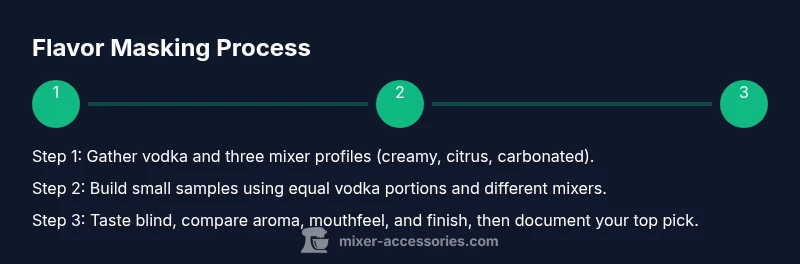
A simple, repeatable testing protocol can reveal your preferred masking combination. Prepare three sample drinks with the following profiles:
- Sample A: sweet and creamy base (cream or coconut milk with a splash of simple syrup)
- Sample B: bright citrus base (orange or cranberry juice with a dash of citrus peel and a light sweetener)
- Sample C: crisp, carbonated base (cola or ginger ale with a touch of lime)
Keep vodka constant at 1.5 ounces (45 ml) per sample. Use ice as desired and serve in identical glassware. Blind your tasters if possible to reduce bias. Record impressions focusing on aroma, mouthfeel, and aftertaste, not only strength of vodka flavor. The outcome often shows that a creamy base or a citrus-forward mixer can be more effective at masking vodka write-off than a purely carbonated option.
Common mistakes and how to fix them
Even seasoned home bartenders slip into common pitfalls when attempting to mask vodka flavor. Over-reliance on ultra-sweeteners can create cloying drinks that mask more than just the vodka; excessive dilution from ice can dull the mix and dilute flavors. Underestimating acidity can leave a drink flat, while too much fat can make the drink feel heavy and greasy. To fix these issues:
- Taste periodically as you build the drink; adjust one variable at a time.
- Use a small tasting vessel for rapid iteration.
- Keep notes on each variation to guide future batches.
- Consider temperature; colder drinks may suppress aroma, while slightly warming them reveals more depth.
Quick recipes to try at home
Try these starter recipes to explore masking vodka flavor with commonly available mixers:
- Creamy vanilla vodka mocktail: vodka, cream, vanilla syrup, dash of salt, ice. balance to a silky finish.
- Citrus cranberry sparkler: vodka, cranberry juice, orange juice, splash of lime, club soda. finish with a citrus twist.
- Ginger lime fizz: vodka, ginger ale or ginger beer, lime juice, a pinch of sugar. sip to assess masking effectiveness.
- Cola vodka with a twist: vodka, cola, lemon twist; keep proportions modest to avoid overpowering the spirit.
As you test, compare the relative masking effect of each option and record your preferred balance for future recreations. Mixer Accessories suggests keeping a small recipe notebook to document exact ratios and tasting notes.
The science behind flavor masking: sensory considerations
Flavor masking engages multiple senses. Aroma plays a pivotal role; vodka’s lack of strong aroma means masking is often achieved through aroma-rich mixers like citrus peels, spices, or aromatic bitters. Texture—creamy, thick, or carbonated—alters how flavors are perceived and how long they linger. Temperature also influences perception; colder drinks can dull aroma, while slightly warmer drinks may reveal more complexity. Understanding these sensory cues helps you craft drinks where vodka remains present but not overpowering, which is particularly useful for new palates or guests who prefer smoother profiles.
Serving tips and safety considerations
When presenting vodka-based drinks, consider guests' preferences and safety concerns. Start with lower alcohol levels and clearly label non-alcoholic options if needed. Use clean glassware, proper ice handling, and garnish thoughtfully to avoid introducing unexpected flavors. Encourage responsible consumption and provide clear information about alcohol content on menus or recipe cards. Mixer Accessories emphasizes that a well-balanced mixer choice enhances the overall drinking experience while minimizing the perception of the vodka itself.
Tools & Materials
- Lowball glasses (8–12 oz)(For visual symmetry in tastings; use identical glassware for all samples.)
- Measuring jigger (1 oz / 30 ml and 0.5 oz / 15 ml)(Precise dosing helps compare masking effects.)
- Bar spoon(Stir gently to avoid over-dilution.)
- Citrus juicer(Fresh juice enhances masking dynamics; avoid bottled concentrates when possible.)
- Muddler(Optional for releasing oils from citrus peels.)
- Ice (cubes and crushed)(Prep enough for multiple samples; cold helps flavor perception.)
- Knife and cutting board(Prepare citrus garnishes and fruit bases.)
- Shaker or mixing glass(Used for stronger emulsions or creamy mixes.)
- Notepads and pens(Record tasting notes and ratios for reproducibility.)
- Vodka (neutral) and a few mixers(Have at least three base mixers ready for side-by-side testing.)
Steps
Estimated time: 60-75 minutes
- 1
Gather ingredients and set up tasting station
Collect vodka and three to four different mixers. Set up a clean, quiet tasting station with identical glassware and notebooks. Label samples A, B, C to prevent cross-contamination.
Tip: Keep samples small (2–3 oz) to allow multiple tastings without waste. - 2
Define your base profiles
Decide on three profiles: creamy, citrusy, and carbonated. This will guide how you balance sugar and acidity in each sample.
Tip: Write down a baseline ratio (e.g., vodka to mixer 1:2) before adjusting. - 3
Prepare test drinks
Measure vodka and mixers into the three samples, using the same ice amount. Keep temperature consistent across all samples to avoid bias.
Tip: Avoid over-dilution by limiting ice contact time. - 4
Taste in blind order
Have tasters anonymously rate each sample for aroma, mouthfeel, and aftertaste. Record impressions without labels.
Tip: Blind tasting reduces bias and improves reliability. - 5
Analyze results and refine
Compare notes, identify the strongest masking option, and adjust sugar or acidity slightly to fit your palate.
Tip: Small incremental changes yield the clearest results. - 6
Document and scale
Record final ratios and create a simple recipe card you can reuse. If desired, scale up for a larger batch while maintaining balance.
Tip: Consistency comes from the exact measurements you used during testing.
Your Questions Answered
What mixer best hides vodka flavor for beginners?
For beginners, creamy or citrus-forward mixers tend to smooth vodka without masking it entirely. Start with a creamy base like dairy or coconut milk for a softened mouthfeel, then trial citrus-forward options to judge aroma and brightness.
Creamy or citrus mixers work well for beginners because they soften the finish and add aroma, helping you notice the drink without a harsh vodka bite.
Can dairy-based mixers mask vodka taste effectively?
Dairy based mixers can effectively mask vodka by adding fat and texture that coats the palate. Be mindful of acidity in other ingredients to prevent curdling or separation.
Dairy can mask vodka thanks to fat and texture, but balance with acidity to prevent curdling.
Is masking vodka flavor appropriate for all cocktails?
Masking vodka flavor is a matter of taste and context. For traditional cocktails that rely on vodka’s clean profile, masking may be undesirable. For party-style drinks or flavor exploration, masking can be a fun, accessible option.
Masking vodka isn’t always appropriate; consider the drink’s purpose and guest preferences.
How do you test masking effects without bias?
Use blind tasting and small, controlled batches. Rotate samples so no one knows which mixer is which, and keep notes on aroma, mouthfeel, and finish.
Do blind tastings with small samples to avoid bias.
What role does ice play in masking vodka?
Ice dilutes and cools, which can modulate bitterness and aroma. Use a consistent ice amount and consider the drink’s final temperature when comparing samples.
Ice can soften flavors and change aroma, so keep it consistent during testing.
Are there mixers to avoid when masking vodka flavor?
Avoid overly bitter or highly volatile mixers that enhance vodka’s sharpness rather than mask it. Also, avoid mixing with ingredients that could curdle dairy.
Steer clear of bitter or unstable mixtures that make vodka taste harsher.
Watch Video
Top Takeaways
- Mask vodka flavor through balanced sugar, acid, and texture
- Test multiple mixers side-by-side for reliable results
- Use blind tasting and precise measurements for repeatable recipes
- Document final ratios to reproduce favorites