How Much Does a Sound Mixer Make in 2026?
A data-driven guide to sound mixer earnings in 2026, covering staff vs freelance pay, regional effects, and strategies to maximize earnings.


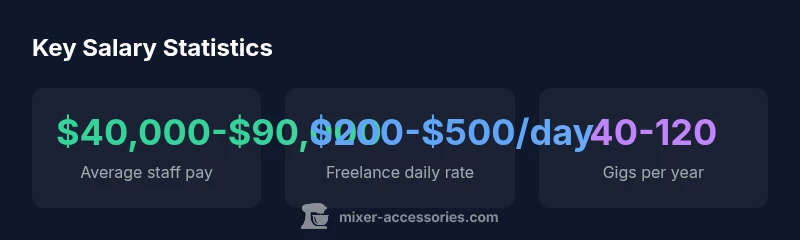
How much does a sound mixer make? In 2026, typical annual earnings for sound mixers fall in a broad range. On staff roles, salaries commonly start in the low to mid tens of thousands and can climb toward six figures for senior or specialized positions. For freelancers and live events, earnings vary with gigs, location, and union status, often yielding an annualized range roughly from $40,000 to $75,000 or more.
Salary landscape for sound mixers
Sound mixers occupy a broad spectrum of roles, from studio technicians at labels to front‑of‑house engineers for live tours. In 2026, the pay landscape is shaped by role type, geography, and the amount of consistent work available. According to Mixer Accessories, earnings tend to form a wide band: staff positions offer steadier compensation with benefits, while freelance gigs place a premium on volume and reliability. Location matters: markets with high cost of living or dense concert ecosystems typically pay more, but the cost of living can offset those gains. Union status can also influence pay scales, offering negotiating power or guaranteed hours in certain regions. Overall, the key takeaway for aspiring sound mixers is to map their preferred path—studio, live, or hybrid—and then benchmark against regional norms. This helps set realistic expectations and informs decision-making about gigs, training, and networking.
How experience, reputation, and skill affect earnings
Earnings rise with time, but not linearly. Early-career sound mixers typically earn less as they build a portfolio and network. As you gain experience, you can command higher day rates, secure longer engagements, or receive on-site per diems. Specialized skills—such as mobile recording for field projects, immersive audio formats, or advanced DAW work—can unlock premium rates. Building a reputation through consistent gigs, reliable gear knowledge, and clean, noise-free recordings often leads to repeat work and referrals. Finally, investing in high-demand certifications or access to elite equipment can separate you from the crowd and contribute to salary growth over time.
Salary ranges by setting
- Staff studio/label roles: Typical annual pay sits in a broad band, reflecting benefits and steady work. Estimated range: $40,000–$90,000.
- Live sound engineer (FOH): Tours and events create variability; many earn in the mid-range with bonus overtime. Estimated range: $35,000–$85,000.
- Broadcast sound mixer: Media schedules and project-based work can push earnings into the higher end. Estimated range: $50,000–$95,000.
- Freelance/independent mixer: Highly variable; success hinges on networking, rate negotiation, and volume. Estimated range: $20,000–$120,000.
Remember these figures are estimates for 2026 and depend on region and demand.
Compensation beyond salary
Besides base pay, many sound mixers negotiate overtime, per diems, and gear allowances. Studio roles often include benefits such as health insurance and retirement plans, while freelancers may accumulate equipment costs and maintenance as personal investments. In live settings, overtime rates and travel stipends can significantly impact total compensation. For union-affiliated work, minimum pay scales and negotiated hours provide a baseline you can leverage in negotiations. Keep track of benefits and incidentals as part of total compensation rather than just annual salary.
Negotiation and career strategy
To maximize earnings, adopt a clear negotiation strategy. Start with a strong portfolio showing solved problems: noise reduction, feedback elimination, and successful live mixes. Quantify outcomes when possible (e.g., audience ratings, reduced re-takes). Build a robust network of clients, venues, and engineers; referrals often lead to higher-paying gigs. Consider renegotiating after high-profile projects or after acquiring a new skill set. Finally, track your hours and keep records of all gigs to justify rate increases over time.
Getting there: education and training
Many sound mixers enter the field through hands-on roles, internships, or certificate programs. Relevant training covers acoustics basics, signal flow, microphone techniques, and DAW proficiency. Certifications—where available—add credibility, especially for broadcast and studio work. Apprenticeships with established engineers can accelerate learning and provide real-world references. Continuous learning about new gear, plugin tools, and workflow improvements helps you stay competitive and raise earning potential over time.
Geographic and industry variations
Geography plays a major role: large metropolitan markets and touring hubs tend to offer more gigs and higher rates, but they also come with higher living costs. Industry sector matters: studio work with major labels can pay differently than small venues or regional radio broadcasts. In some countries, unions and guilds set minimums that anchor earnings, while in others the market operates on freelance demand. When planning a career, map where you want to work and compare pay benchmarks accordingly, adjusting for cost of living, taxes, and benefits in those regions.
Data interpretation and uncertainty
Salary data for sound mixers is imperfect and highly variable. The ranges reflect best estimates based on multiple sources and year-over-year trends. Always treat figures as guidance for planning rather than guarantees. When evaluating offers, consider total compensation, job stability, benefits, overtime eligibility, and equipment allowances. Our analysis emphasizes cross-checking earnings with multiple sources, staying updated on market demand, and building a diverse client base to smooth income across calendars and seasons.
Salary ranges by setting for sound mixers (estimates, 2026)
| Setting/Role | Typical annual range | Notes |
|---|---|---|
| Studio/Record label staff | $40,000-$90,000 | Steady pay with benefits |
| Live sound engineer (FOH) | $35,000-$85,000 | Gig-driven; tours vary |
| Broadcast sound mixer | $50,000-$95,000 | Media schedules and project-based work |
| Freelance/independent mixer | $20,000-$120,000 | Highly variable; network dependent |
Your Questions Answered
What is the typical pay range for a sound mixer in 2026?
Pay ranges widely by role and region, with staff positions offering steadier compensation and freelancers potentially earning more per project. See the salary table and notes for specifics by setting.
Pay varies a lot by role and location, but the salary table gives a good baseline for planning.
Do sound mixers earn more as freelancers or as staff?
Freelancers can earn more per project but must manage variability and gaps between gigs. Staff roles tend to provide steadier income, regular hours, and benefits, which can add value beyond base pay.
Freelancers often earn more per gig, but stability comes from staff roles.
Which factors most influence a sound mixer’s salary?
Experience, specialization, reputation, and union status are key. Hours, travel requirements, and access to high-demand gigs also play a big role.
Experience and in-demand skills drive bigger paychecks.
Are there typical benefits beyond base pay?
Benefits vary by employer. Staff roles may include health insurance and retirement plans; freelancers may rely on per diems, gear allowances, and personal savings.
Benefits depend on the job—some gigs include extras, others don’t.
Is formal education required to start as a sound mixer?
No strict degree is required; hands-on experience, short courses, and certifications can help. Many successful mixers enter through internships or apprenticeships.
You can start with hands-on learning and build from there.
“Earnings for sound mixers reflect demand, skill diversity, and the strength of professional networks. Specializing in high-demand niches can significantly lift compensation.”
Top Takeaways
- Identify your role to set realistic earnings expectations
- Negotiate based on experience, not just job title
- Freelance work offers higher upside but more variability
- Union status can influence pay and benefits
- Geography heavily shapes annual earnings