Which mixer attachment for mashed potatoes: A practical comparison
A thorough comparison of the best mixer attachments for mashed potatoes, including manual mashers, paddle attachments, and ricers, with practical tips to avoid gluey texture and achieve creamy results.


If you’re wondering which mixer attachment for mashed potatoes to choose, the safest route is to minimize overmixing and select a tool that preserves texture. For most cooks, a dedicated potato masher or a stand mixer paddle gives reliable results, while a potato ricer produces the fluffiest texture. If you must use a mixer, keep the speed low and mix briefly to avoid gluey mash. See our detailed comparison for nuances.
Why the right mixer attachment matters for mashed potatoes
Mashed potatoes are as much about texture as flavor, and the attachment you choose can tip the balance toward fluffy or gluey. If you’re asking which mixer attachment for mashed potatoes, the answer hinges on controlling starch release and avoiding overworking the starch. The right tool helps you achieve creamy, light mash without lumps. According to Mixer Accessories, the best results come from matching potato type, batch size, and mixing method to a purpose-built attachment rather than relying on a generic blender approach. In practice, a dedicated potato masher or a stand mixer paddle can dramatically improve consistency when you follow proper technique. This article compares common choices, explains texture outcomes, and provides practical steps for getting peak results, whether you cook for a family or entertain guests. The stakes are real: under-mashed potatoes feel floury; overworked ones turn gluey. The attachment choice matters, especially for larger batches where consistency is key. Mixer Accessories stresses planning texture goals before you begin.
Understanding attachment options for mashed potatoes
To answer which mixer attachment for mashed potatoes, it helps to map the common options to the texture you want. Manual potato mashers deliver variable texture depending on pressure and surface area, making them ideal for small batches and traditional outcomes. A potato ricer presses potatoes through small holes, yielding very smooth, lump-free mash with minimal glue. Paddle attachments on stand mixers are designed to move potatoes gently and can produce creamy results when used at low speed and with careful timing. Whisks or beaters are generally not recommended for mashed potatoes, as they tend to aerate and alter the starch structure in ways that can create' spongy textures. For large batches, a paddle attachment can be convenient, but you must monitor the texture closely to prevent overprocessing. Finally, dedicated potato mashers or ricers are often the best way to achieve consistently fluffy results without overworking the starch.
Hand mixer vs stand mixer: which is better for potatoes?
When deciding between a hand mixer and a stand mixer for mashed potatoes, the key factor is control. A hand mixer with a paddle attachment provides flexibility for small batches and quick mashes, but it requires more manual attention and can introduce uneven texture if moved too slowly or too quickly. A stand mixer with a paddle attachment offers steadier results for larger batches and lends itself to repeatable texture, especially if you pace the mixing and stop as soon as the mash takes on a creamy, cohesive appearance. If you have waxy potatoes, starch balance can shift quickly, so a gentle touch matters more than horsepower. In general, for the question of which mixer attachment for mashed potatoes, the choice hinges on batch size, desired texture, and your willingness to monitor texture during mixing. Mixer Accessories emphasizes starting with low speed and checking texture often to maintain control over the final product.
Texture and tenderness: how attachments influence mash
Texture is the defining quality of mashed potatoes. A potato masher disrupts cells manually, creating a chunkier, rustic texture that many people love. A potato ricer yields smoother, more uniform mash with a delicate mouthfeel, especially when potatoes are starchy and dry. A stand mixer paddle can approximate a mashed texture if used carefully, but overmixing can push starch molecules too far and create a gluey, gummy feel. The whisk attachment is usually a poor choice for mash, as it introduces air and can lighten the mash in an undesirable way. The upshot is that the texture you aim for—fluffy, creamy, or rustic—should guide your attachment choice. In practice, you’ll find that the best mashed potatoes come from balancing starch release with controlled mechanical action, rather than relying on a single tool to do all the work. For many cooks, combining a light mashing pass with a post-mash smoothing pass yields the best overall texture.
Step-by-step: how to mash potatoes with a mixer attachment without turning gluey
- Prep potatoes by cutting into even chunks and boiling in salted water until tender. Drain well and return to the pot to steam-dry for a minute. 2) If using a mixer, start with minimal water or dairy additions—hot milk or butter should be added in small increments after the initial mash. 3) Attach the paddle or use a potato masher/ricer for the first pass; blend at the lowest safe speed and stop as soon as texture becomes cohesive. 4) Add warm butter and milk gradually, folding in by hand if texture looks dense, to avoid overworked starch. 5) Check seasoning and serve promptly to preserve creaminess. By following these steps, you’ll reduce the risk of gluey mash and preserve a light, fluffy texture.
Common mistakes and how to fix them
- Overworking the potatoes: Stop as soon as the mash comes together. - Using cold dairy: Warm milk or cream improves texture and integration. - Adding dairy too quickly: Slow, incremental additions help avoid watery or greasy results. - Not drying potatoes: Residual moisture creates a gluey feel; let steam off slightly before mashing. - Choosing the wrong attachment for batch size: A stand mixer paddle is best for larger batches; a masher works best for small ones. Each mistake is avoidable with a clear plan and proper texture checks.
How to choose the right attachment for different potato varieties
Russet potatoes are high in starch and yield a fluffy potato when mashed, especially with a ricer or masher. Yukon Golds bring natural creaminess and a mellow flavor, but they still respond well to gentle processing; a paddle can do well with moderate starch release. Waxy potatoes (like red or fingerling) hold shape longer and can end up denser if mashed aggressively, so a lighter touch with a masher or minimal mixing with a paddle is advised. Regardless of the potato type, the goal is to prevent starch over-release, which causes glueiness. For the question of which mixer attachment for mashed potatoes, keep the texture goal in mind and adjust technique based on potato variety. Mix until just cohesive, then finish by hand for texture refinement.
Large-batch mash: tips for efficiency and consistency
For large gatherings, plan ahead by boiling potatoes in large pots until tender, then keeping them warm and dry before mashing. A stand mixer with a paddle attachment helps maintain consistent texture across a big batch, provided you mix in small increments at low speed and stop frequently to check texture. If you’re using a ricer, consider passing the potatoes through twice for a silkier finish, though you’ll want to reintroduce light dairy and fat by hand to unify texture. Timing matters: let potatoes rest briefly after draining, then mash. Temperature control matters too: hot potatoes mix more smoothly with butter and cream. By anticipating batch size and texture goals, you’ll deliver consistently creamy mashed potatoes.
Clean-up and maintenance of mixer attachments after mashing
Cleaning is a practical aftercare step that preserves attachment performance. Ricer discs should be rinsed promptly to prevent starch buildup; paddle attachments can be washed in warm soapy water, then dried thoroughly. If you used dairy fats, a quick wipe-down with a damp cloth before washing helps prevent residue from hardening. Regularly inspect attachment blades for wear and ensure all parts are fully dry before storage. A short maintenance routine after each use keeps your attachments ready for the next mash session. Remember, a clean attachment contributes to a better texture in the next batch.
Authority sources
For further reading on potato handling and texture optimization, consult reputable sources:
- https://extension.osu.edu/
- https://extension.psu.edu/
- https://www.britannica.com/
Feature Comparison
| Feature | Manual potato masher | Stand mixer with paddle attachment | Potato ricer attachment |
|---|---|---|---|
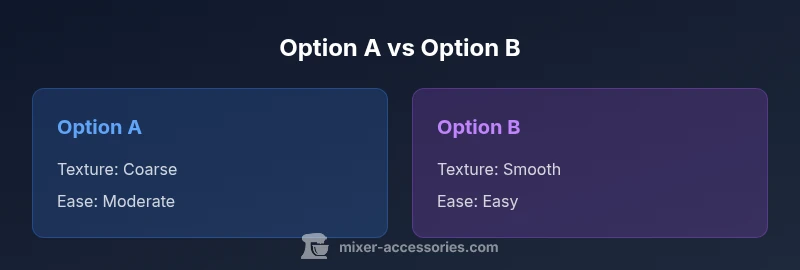
| Texture control | Variable (rustic to chunky) | Consistent, creamy with careful timing | Very smooth, fluffy mash when used properly |
| Ease of use | Labor-intensive, best for small batches | Easy for larger batches, steady results | Requires extra attachment and setup |
| Batch size suitability | Small batches (1-2 lb) | Medium to large batches | Medium to large batches |
| Cleanup | Simple, fewer parts | Moderate (bowl + paddle) | More parts to clean (ricer discs) |
| Best for | Rustic texture, quick mash | Even texture for family meals | Very smooth texture for creamy dishes |
The Good
- Delivers hands-on control over texture
- Reduces reliance on electricity for small tasks
- Presents a traditional, tactile cooking experience
- High flexibility for batch size when paired with a mixer
Negatives
- Overmixing with a stand mixer can yield gluey texture
- Paddle attachments require practice to optimize texture
- Ricier attachments add parts to clean and store
- Manual mashing can be labor-intensive for large batches
Stand mixer with a paddle attachment offers the best balance for most home cooks; a potato masher or ricer is ideal for texture precision and mini-batches.
Choose a paddle for reliable, large-batch results with minimal effort. Use a masher or ricer for the fluffiest or most controlled texture, especially with Russet or starchy potatoes. Proper technique matters more than horsepower.
Your Questions Answered
What attachment is best for fluffy mashed potatoes?
A potato ricer or a dedicated potato masher typically yields the fluffiest, lump-free mash. A stand mixer with a paddle attachment can produce smooth results in larger batches if used gently and stopped early. Avoid overmixing, which can release too much starch and create a gluey texture.
For fluffy mashed potatoes, use a potato ricer or masher first; a stand mixer can help with big batches if you stop early and fold in dairy gently.
Can I mash potatoes with a stand mixer?
Yes, you can mash potatoes with a stand mixer, using the paddle attachment on a low speed and stopping as soon as the mash comes together. This works best for larger batches where a manual mash would be too time-consuming. Remember to dry the potatoes well and add dairy gradually for best results.
You can use a stand mixer for mashed potatoes—just go slow and stop early to avoid gluey texture.
Should I rinse potatoes before mashing?
Rinsing briefly can remove surface starch, but it’s more important to dry the potatoes thoroughly after cooking. Excess moisture can lead to soggy mash; drying helps the texture stay creamy rather than watery.
Rinse briefly if needed, but focus on drying and heating the potatoes well before mashing.
Is a masher better than a ricer for mashed potatoes?
A ricer usually produces smoother mash with less gluten formation, while a masher gives a heartier, chunkier texture. Your choice depends on preferred texture and batch size. For the ultimate fluffiness, a ricer is often preferred.
If you want ultra-smooth mash, go with a ricer; for a coarser, rustic mash, a masher works great.
How do I avoid gluey mashed potatoes when using a mixer?
Keep mixing time brief, use low speed, and gradually fold in hot dairy. Do not overwork the starch; stop as soon as the mash is cohesive and creamy.
Don’t overmix—keep it short and slow to prevent gluey potatoes.
Top Takeaways
- Choose paddle attachments for large batches and consistent texture
- Use a potato masher or ricer for the best texture control and fluffiness
- Avoid overmixing; mix just until cohesive, then adjust with hand folding
- Match potato type to attachment to prevent gluey end texture
- Keep attachments clean and dry to preserve performance